

Skin bleaching risks · Part 5
Healthy Skin Without Bleaching
A safer, evidence-based guide to caring for every skin tone, treating dark marks correctly and recognising hazardous whitening products.
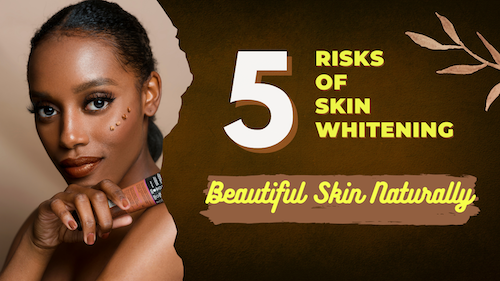
Healthy skin is not a colour
Skin colour is created largely by melanin, which helps protect against ultraviolet radiation. Uneven tone, acne marks, melasma or irritation can be treated without trying to change the natural colour of the whole body.
Every skin shade deserves care—not correction. The goal is comfortable, protected, functioning skin.
People use lightening products for many reasons, including colourism, discrimination, advertising, social pressure and genuine pigment concerns. Health information should support safer choices without shaming anyone.
Whole-body bleaching can injure skin and internal organs
Unregulated products may contain mercury, potent corticosteroids, hydroquinone at undisclosed strengths or mixtures of several active drugs. Ingredients may be missing from the label, substituted or contaminated.
Skin-barrier damage
Burning, dermatitis, acne-like eruptions, thinning, visible vessels, stretch marks, easy bruising, poor wound healing and infections can follow chronic misuse.
Paradoxical darkening
Irritation can trigger post-inflammatory hyperpigmentation, especially in darker skin. Prolonged hydroquinone misuse can cause blue-black or grey-brown ochronosis that may be permanent.
Whole-body steroid effects
Applying potent steroids widely or for long periods can suppress the adrenal glands and contribute to high blood pressure, high glucose, infections, weakness and Cushing-like changes.
Mercury toxicity
Mercury can damage kidneys and the nervous, digestive and immune systems. It also contaminates the home and environment and can expose children and other household members.
Darker skin is not immune to sun damage or skin cancer. Skin cancer is less common in deeply pigmented skin but may be diagnosed later. Sun protection remains part of healthy care for every tone.
The same ingredient can be medicine or misuse
| Ingredient | What to know |
|---|---|
| Mercury | There is no legitimate cosmetic reason to use mercury for skin lightening. It may appear as mercurous chloride, mercuric, calomel, mercurio or Hg—or may be omitted from the label. |
| Hydroquinone | A dermatologist may prescribe it for a diagnosed pigment disorder, in a defined area and for a limited period. Unregulated, prolonged or whole-body use increases irritation and ochronosis risk. Legal status varies. |
| Potent corticosteroids | These are valuable medicines for inflammatory skin disease when the correct strength, location and duration are prescribed. They are unsafe as unsupervised bleaching agents, especially on the face, folds or large body areas. |
| Retinoids | Some topical retinoids treat acne and pigment change but may irritate and worsen dark marks if misused. Retinoids should not be used during pregnancy. |
| Acids and peels | Glycolic, salicylic and other acids can help selected conditions at appropriate strengths. Layering acids, home chemical peels and using products that burn can cause injury and deeper pigmentation. |
A long chemical name is not evidence of danger. Judge products by the exact ingredient, concentration, intended use, quality control and evidence—not by whether a word sounds “natural” or is easy to pronounce.
Stop the exposure safely and obtain an assessment
Identify every product
Photograph the front, ingredient list, batch number and seller. Bring containers to a clinician if safe. Do not continue a product known or suspected to contain mercury.
Do not share or transfer it
Keep it away from children and pregnancy. Wash hands after handling. Ask the local health or hazardous-waste authority how to dispose of suspected mercury products; do not wash them down a drain.
Get medical review
A clinician may examine the skin, check blood pressure and glucose, review steroid dependence, and arrange kidney, adrenal or mercury testing when indicated. Tell them about pregnancy and household exposure.
Use a recovery routine
Until reviewed, use a gentle fragrance-free cleanser, bland moisturiser and sun protection. Avoid scrubs, peels, essential oils and multiple new actives on inflamed skin.
Long-term potent steroid use needs a clinician-guided plan. Abrupt cycles of stopping and restarting may worsen inflammation or withdrawal reactions; mercury exposure, however, should not continue.
Three steps are enough for most people
1. Cleanse gently
Wash up to twice daily and after sweating with lukewarm water and a mild, fragrance-free cleanser. Scrubbing harder does not clean pigment away.
2. Moisturise for your skin type
Choose a gel or non-comedogenic lotion for oily skin and a fragrance-free cream or ointment for dry or sensitive skin. Moisturiser supports the barrier; it does not make skin “lazy.”
3. Protect from light
Use broad-spectrum, water-resistant SPF 30 or higher on exposed skin, plus shade and clothing. Reapply when outdoors, sweating or swimming.
For dark marks
A tinted sunscreen containing iron oxide can also reduce visible-light worsening of melasma and hyperpigmentation, particularly in darker skin tones.
Toner, double cleansing, exfoliation and serums are optional—not requirements. Add only one product at a time, patch test when appropriate and stop if it burns or causes persistent stinging.
Dark spots are not all the same
Post-acne marks, melasma, eczema-related pigmentation, fungal disease, medication effects and exogenous ochronosis need different treatments. The first step is diagnosis and control of the trigger.
Post-inflammatory pigmentation
Prevent new acne or irritation, use gentle care and protect from sun and visible light. Fading often takes months; aggressive treatment can make it worse.
Melasma
Daily photoprotection is foundational. A dermatologist may use azelaic acid, hydroquinone-containing prescriptions, retinoids, combination therapy or procedures depending on pregnancy status and skin type.
Prescription treatments
Hydroquinone and corticosteroids should not be demonised when correctly prescribed. The clinician selects the strength, area and duration and monitors for complications.
Procedures
Chemical peels, lasers and microneedling can worsen pigmentation or scar darker skin if poorly selected. Use a qualified clinician experienced in treating your skin tone.
Protect the skin from irritation. If a product burns, stings persistently, peels excessively or causes a rash, stop it and simplify the routine while seeking advice.
“Natural” is not a safety certificate
Lemon and baking soda
They can irritate, burn and disrupt the skin barrier. Lemon plus sunlight can cause a phototoxic reaction and darker marks.
Raw honey, turmeric and DIY masks
Some ingredients have laboratory or limited clinical data, but kitchen preparations are not standardised and can cause allergy, contamination or irritation.
“Detox” drinks
Skin does not need juice or tea to flush toxins. Liver and kidneys perform detoxification. Hydration supports health but extra water does not erase pigmentation.
Makeup-free days
Skin does not breathe through pores. Properly tolerated, non-comedogenic makeup is not automatically unhealthy; remove it gently and keep applicators clean.
Silk pillowcases and oxygen facials
They may feel pleasant, but strong claims about reversing ageing or “oxygenating” skin are not established.
Supplements for glow
Biotin, collagen and antioxidants are not universal fixes and can cause harm or interfere with tests. Correct a documented deficiency rather than megadosing.
Review pigment treatments before use
Pregnancy commonly causes melasma and other darkening. These changes can be distressing, but unsafe bleaching is not the answer.
Avoid mercury completely
Mercury can harm the nervous system and kidneys and poses particular risks to fetal and early-child development. Prevent household contact with contaminated products.
Avoid retinoids in pregnancy
This includes prescription topical retinoids and over-the-counter retinol products. Review oral and topical acne medicines before conception.
Avoid hydroquinone in pregnancy
Because skin absorption is relatively high and safety data are insufficient, dermatology guidance recommends avoiding it during pregnancy.
Choose a simple routine
Gentle cleansing, fragrance-free moisturiser and broad-spectrum SPF 30+ are the foundation. A dermatologist can advise whether vitamin C, azelaic or glycolic acid fits your situation.
Breastfeeding: Do not apply medicines or potentially toxic products where an infant can lick or touch them. Discuss each active ingredient and wash-off instructions with a clinician.
Warning signs after a lightening product
Arrange prompt clinical assessment for:
- Blue-black, grey-brown or progressively darkening patches
- Skin thinning, wide stretch marks, easy bruising, visible vessels or poor wound healing
- Persistent acne-like eruption, burning, ulceration, infection or spreading rash
- Facial puffiness, unexplained weight gain, muscle weakness, high blood pressure or frequent infections
- Tremor, memory or mood change, headaches, numbness, reduced urine, foamy urine or swelling that could suggest mercury effects
- Use during pregnancy, use on a child, or possible exposure of other household members
Seek emergency care now for:
- Difficulty breathing, swelling of lips or tongue, collapse or a severe allergic reaction
- Severe confusion, seizure, sudden weakness or serious neurological symptoms
- Severe eye pain or vision change after product exposure
- Rapidly spreading painful redness with fever, blackened skin or signs of severe infection
Bring product information if safe, but never delay urgent treatment while searching for the container.
References and further reading
- World Health Organization. Mercury and health, October 2024. WHO
- World Health Organization. Behavioural insights toolkit for harmful skin-lightening practices, May 2026. WHO update
- U.S. Food and Drug Administration. Skin Product Safety: hydroquinone and mercury. FDA
- American Academy of Dermatology. How to fade dark spots in darker skin tones. AAD
- American Academy of Dermatology. Dermatologist-approved pregnancy skin care, June 2025. AAD pregnancy guidance
- Guy’s and St Thomas’ NHS Foundation Trust. Topical steroids: correct use and adverse effects, reviewed January 2025. NHS
Your natural skin tone is not a problem
Choose protection, diagnosis and gentle treatment
If pigment change concerns you or you have used an unregulated lightening product, a qualified clinician can help without judgment.

Risques de la dépigmentation · Partie 5
Une peau saine sans dépigmentation
Un guide plus sûr et fondé sur les données pour prendre soin de toutes les carnations, traiter correctement les taches et reconnaître les produits dangereux.
Une peau saine n’est pas une couleur
La couleur dépend largement de la mélanine, qui contribue à protéger des ultraviolets. Teint irrégulier, marques d’acné, mélasma ou irritation peuvent être traités sans chercher à changer la couleur naturelle de tout le corps.
Chaque carnation mérite des soins, pas une correction. L’objectif est une peau confortable, protégée et fonctionnelle.
Les personnes éclaircissent leur peau pour de nombreuses raisons : colorisme, discrimination, publicité, pression sociale ou véritable problème pigmentaire. L’information doit soutenir des choix plus sûrs sans culpabiliser.
La dépigmentation étendue peut léser la peau et les organes
Les produits non réglementés peuvent contenir mercure, corticoïdes puissants, hydroquinone à concentration cachée ou plusieurs médicaments. Des ingrédients peuvent être absents de l’étiquette, substitués ou contaminés.
Barrière cutanée endommagée
Brûlure, dermatite, boutons, amincissement, vaisseaux visibles, vergetures, ecchymoses, mauvaise cicatrisation et infections suivent parfois l’usage chronique.
Assombrissement paradoxal
L’irritation déclenche une hyperpigmentation, surtout sur peau foncée. L’abus prolongé d’hydroquinone peut causer une ochronose bleu-noir ou gris-brun parfois définitive.
Effets généraux des corticoïdes
L’application prolongée d’un corticoïde puissant sur de grandes surfaces peut supprimer les surrénales et favoriser hypertension, glycémie élevée, infections, faiblesse et syndrome cushingoïde.
Toxicité du mercure
Le mercure peut léser reins et systèmes nerveux, digestif et immunitaire. Il contamine aussi le foyer et l’environnement, exposant enfants et proches.
La peau foncée n’est pas immunisée contre le soleil ou le cancer cutané. Le cancer est moins fréquent mais parfois diagnostiqué tard. La photoprotection concerne toutes les carnations.
Un même ingrédient peut être médicament ou mésusage
| Ingrédient | Ce qu’il faut savoir |
|---|---|
| Mercure | Aucune raison cosmétique légitime d’utiliser du mercure. Il peut apparaître comme mercurous chloride, mercuric, calomel, mercurio ou Hg, ou être omis. |
| Hydroquinone | Un dermatologue peut la prescrire pour un trouble diagnostiqué, sur une zone définie et pendant une durée limitée. Usage non réglementé, prolongé ou étendu augmente irritation et ochronose. Le statut légal varie. |
| Corticoïdes puissants | Médicaments précieux contre l’inflammation avec force, zone et durée adaptées. Dangereux comme dépigmentants non surveillés, surtout au visage, plis ou grandes surfaces. |
| Rétinoïdes | Certains traitent acné et pigmentation mais peuvent irriter et foncer la peau si mal utilisés. Ils ne doivent pas être utilisés pendant la grossesse. |
| Acides et peelings | Glycolique, salicylique et autres peuvent aider à bonne concentration. Superposer, faire un peeling maison ou tolérer une brûlure peut causer lésion et pigmentation profonde. |
Un nom chimique long ne prouve pas le danger. Évaluez ingrédient exact, concentration, usage, contrôle qualité et preuves, pas le caractère « naturel » ou facile à prononcer.
Arrêter l’exposition en sécurité et se faire évaluer
Identifier chaque produit
Photographiez face, ingrédients, lot et vendeur. Apportez les contenants si possible. Ne poursuivez pas un produit contenant ou suspecté de contenir du mercure.
Ne pas partager ni transférer
Éloignez des enfants et de la grossesse. Lavez les mains après manipulation. Demandez à l’autorité sanitaire ou déchets dangereux comment éliminer ; ne versez pas dans l’évier.
Obtenir un bilan
Le clinicien peut examiner, mesurer tension et glycémie, évaluer une dépendance aux corticoïdes et demander des tests rénaux, surrénaliens ou de mercure. Signalez grossesse et exposition familiale.
Routine de récupération
En attendant : nettoyant doux sans parfum, hydratant simple et photoprotection. Évitez gommages, peelings, huiles essentielles et multiplication d’actifs sur peau inflammatoire.
Un corticoïde puissant utilisé longtemps nécessite un plan médical. Les cycles d’arrêt/reprise brutaux aggravent parfois l’inflammation ou le sevrage ; l’exposition au mercure, elle, ne doit pas continuer.
Trois étapes suffisent le plus souvent
1. Nettoyer doucement
Lavez jusqu’à deux fois par jour et après transpiration avec eau tiède et nettoyant doux sans parfum. Frotter plus fort n’enlève pas le pigment.
2. Hydrater selon la peau
Gel ou lotion non comédogène pour peau grasse ; crème ou baume sans parfum pour peau sèche ou sensible. L’hydratant soutient la barrière.
3. Protéger de la lumière
Utilisez un écran large spectre résistant à l’eau SPF 30+, avec ombre et vêtements. Renouvelez dehors, après transpiration ou baignade.
Pour les taches
Un écran teinté à oxyde de fer réduit aussi l’aggravation par lumière visible du mélasma et de l’hyperpigmentation, surtout sur peau foncée.
Tonique, double nettoyage, exfoliation et sérums sont facultatifs. Ajoutez un produit à la fois, testez localement si indiqué et arrêtez s’il brûle ou pique durablement.
Toutes les taches ne se ressemblent pas
Marques d’acné, mélasma, pigmentation d’eczéma, mycose, médicaments et ochronose exigent des traitements différents. Il faut d’abord diagnostiquer et contrôler le déclencheur.
Hyperpigmentation post-inflammatoire
Prévenez nouvelle acné et irritation, utilisez des soins doux et protégez du soleil et de la lumière visible. L’éclaircissement prend souvent des mois ; l’agression empire.
Mélasma
La photoprotection quotidienne est fondamentale. Le dermatologue peut utiliser acide azélaïque, hydroquinone prescrite, rétinoïdes, associations ou gestes selon grossesse et type de peau.
Traitements prescrits
Hydroquinone et corticoïdes ne sont pas à diaboliser lorsqu’ils sont bien prescrits. Le clinicien choisit force, zone et durée et surveille les complications.
Procédures
Peelings, lasers et microneedling peuvent aggraver ou cicatriser une peau foncée s’ils sont mal choisis. Consultez un praticien qualifié expérimenté avec votre carnation.
Protégez de l’irritation. Si un produit brûle, pique durablement, pèle excessivement ou donne une éruption, arrêtez et simplifiez en demandant conseil.
« Naturel » n’est pas un certificat de sécurité
Citron et bicarbonate
Ils irritent, brûlent et perturbent la barrière. Citron plus soleil peut provoquer une réaction phototoxique et des taches plus foncées.
Miel, curcuma et masques maison
Certaines données existent, mais les préparations domestiques ne sont pas standardisées et peuvent causer allergie, contamination ou irritation.
Boissons « détox »
La peau n’a pas besoin de jus pour éliminer les toxines. Foie et reins le font. L’hydratation soutient la santé mais n’efface pas la pigmentation.
Jours sans maquillage
La peau ne respire pas par les pores. Un maquillage toléré et non comédogène n’est pas automatiquement mauvais ; retirez-le doucement et nettoyez les accessoires.
Soie et soins à l’oxygène
Ils peuvent être agréables, mais les promesses de rajeunissement ou « d’oxygénation » ne sont pas établies.
Compléments pour l’éclat
Biotine, collagène et antioxydants ne sont pas des solutions universelles et peuvent nuire ou fausser des analyses. Corrigez une carence documentée sans mégadose.
Réviser les traitements pigmentaires avant usage
La grossesse provoque souvent mélasma et autres pigmentations. Elles peuvent gêner, mais la dépigmentation dangereuse n’est pas la solution.
Éviter complètement le mercure
Il peut léser système nerveux et reins et menace particulièrement développement fœtal et petite enfance. Évitez le contact familial avec un produit contaminé.
Éviter les rétinoïdes
Cela inclut rétinoïdes topiques prescrits et rétinol sans ordonnance. Revoyez les traitements de l’acné avant conception.
Éviter l’hydroquinone
En raison d’une absorption cutanée relativement élevée et de données insuffisantes, les recommandations dermatologiques conseillent de l’éviter pendant la grossesse.
Routine simple
Nettoyage doux, hydratant sans parfum et écran large spectre SPF 30+ sont la base. Un dermatologue indiquera si vitamine C, acide azélaïque ou glycolique convient.
Allaitement : n’appliquez pas de médicament ou produit potentiellement toxique là où le nourrisson peut lécher ou toucher. Discutez chaque actif et rinçage avec un clinicien.
Signes d’alerte après un produit éclaircissant
Organisez rapidement une évaluation pour :
- Plaques bleu-noir, gris-brun ou s’assombrissant progressivement
- Peau mince, larges vergetures, ecchymoses, vaisseaux visibles ou mauvaise cicatrisation
- Boutons persistants, brûlure, ulcération, infection ou éruption qui s’étend
- Visage bouffi, prise de poids inexpliquée, faiblesse, hypertension ou infections répétées
- Tremblement, changement de mémoire ou humeur, céphalées, engourdissement, baisse ou mousse des urines, gonflement évoquant le mercure
- Usage pendant la grossesse, sur un enfant ou exposition possible des proches
Consultez les urgences immédiatement pour :
- Difficulté respiratoire, gonflement des lèvres ou langue, malaise ou allergie sévère
- Confusion sévère, convulsion, faiblesse soudaine ou symptôme neurologique grave
- Douleur oculaire sévère ou baisse visuelle après exposition
- Rougeur douloureuse s’étendant vite avec fièvre, peau noire ou infection sévère
Apportez les informations du produit si possible, sans jamais retarder l’urgence pour rechercher le contenant.
Références et lectures complémentaires
- Organisation mondiale de la Santé. Mercure et santé, octobre 2024. OMS
- Organisation mondiale de la Santé. Outil comportemental contre les pratiques nocives d’éclaircissement, mai 2026. OMS 2026
- U.S. Food and Drug Administration. Sécurité des produits cutanés : hydroquinone et mercure. FDA
- American Academy of Dermatology. Atténuer les taches sur peau foncée. AAD
- American Academy of Dermatology. Soins de peau pendant la grossesse, juin 2025. AAD grossesse
- Guy’s and St Thomas’ NHS Foundation Trust. Corticoïdes topiques : bon usage et effets indésirables, janvier 2025. NHS
Votre carnation naturelle n’est pas un problème
Choisissez protection, diagnostic et traitement doux
Si une pigmentation vous préoccupe ou si vous avez utilisé un produit non réglementé, un professionnel qualifié peut vous aider sans jugement.